Bathroom Breaks in Escape Rooms: 4 Steps, What to Say, Your Rights

Yes, most escape rooms allow a short restroom exit as long as you tell the game-master first. Private room bookings make this easier because the space is reserved for your group alone. If you have a medical condition that requires guaranteed access, ADA Title III protects your right to request reasonable accommodations in advance. The best move is to mention it when you book or the moment you check in.
Table of Contents
- Venue restroom policies and how private bookings change the equation
- What to do if you need the bathroom mid-game
- Your accessibility rights and reasonable accommodations
- What to tell the venue before you book or when you arrive
- Pre-game checklist: timing, drinks, meds, and restroom strategy
- How we handle restroom access, etiquette, and accessibility
- Ready to book? Here’s what to ask us first
- FAQ
- Sources
Venue restroom policies and how private bookings change the equation
Policies vary by venue, but most fall somewhere between two extremes. Some rooms are relaxed about short exits because the puzzles are not time-locked to a single uninterrupted push. Others, especially highly immersive or multi-room experiences, prefer fewer interruptions to protect the story and the group’s momentum. Staff set these rules to balance immersion with safety and fairness to the rest of the group.
Private bookings tend to remove most of the friction. When your group has the room to itself, there is no stranger’s game clock or shared progress to disrupt, so stepping out and back in is simpler to manage. Our escape room walk-in availability guide explains how private versus shared sessions affect this kind of flexibility.
What staff commonly ask for before you exit:
- A quick, direct notification to the game-master rather than just stepping out unannounced.
- Agreement on how you will signal your return so the room is not left unmonitored.
- A promise not to describe puzzles or solutions to anyone waiting outside.
What to do if you need the bathroom mid-game
A mid-game bathroom break goes smoothly when you treat it like any other safety interruption: calm, brief, and clearly communicated.
- Signal the game-master using whatever method your venue set up, a raised hand, an intercom button, or a radio, and say “bathroom” rather than explaining further.
- Wait for instructions on the exit route and follow it exactly rather than improvising a shortcut through the set.
- Leave personal items secured and avoid touching props or locks on your way out, since they may be mid-puzzle for your team.
- Ask whether the timer pauses while you are gone, since this differs by venue and booking type, and confirm your remaining time when you step back in.
Staff typically keep an eye on the room through cameras while you are out, which is also how they manage hints and pacing for the rest of your group. This kind of oversight is consistent with the staff monitoring and safe egress practices described in NFPA’s reporting on escape-room safety.
Pro Tip: Use a short, prearranged word like “bathroom” instead of a longer explanation, it is faster for the game-master to act on and does not pull your teammates out of the puzzle.

Your accessibility rights and reasonable accommodations
Escape rooms qualify as places of public accommodation, which means operators are expected to make reasonable modifications for people with disabilities, including medical conditions that create urgent or frequent restroom needs. This is not a courtesy policy, it is a legal expectation under Title III.
Common accommodations include:
- A prearranged exit and re-entry procedure agreed on before the game starts.
- Private-room assignment so no other group’s session is affected by your break.
- Advance notice to the game-master so they can brief the rest of the team on monitoring.
- Alternative communication methods if raising a hand or using an intercom is not practical for you.
Many venues treat frequent-urgency medical needs as grounds for a reasonable modification under ADA Title III, often responding with private-room placement or adjusted monitoring, according to the ADA Title III Technical Assistance Manual. Requesting this ahead of time, even in one sentence, gives staff time to prepare rather than improvise.
What to tell the venue before you book or when you arrive
Disclosing a restroom or accessibility need earlier always works better than mentioning it after the clock starts. You have three natural windows: a note left during online booking, a quick phone call or email before your visit, or a discreet word with the host at check-in.
A few phrases that get the point across without over-explaining:
- “I may need a short restroom break during the game, is that okay to arrange?”
- “I have a medical condition that may require quick restroom access, can we set that up ahead of time?”
- “Could you flag my reservation for a possible mid-game exit?”
Once you share this, staff typically add a note to your reservation, brief the assigned game-master before the session starts, and prepare whatever modification fits your situation, whether that is a private room or a specific signal method.
Pre-game checklist: timing, drinks, meds, and restroom strategy
A little planning before you arrive cuts the odds of needing a break once the clock starts.
- Use the restroom right before your session begins rather than right after arriving.
- Limit large amounts of liquid in the hour before play, especially if you tend to need frequent breaks.
- Schedule medications around your booking time when your routine allows it.
- If you are booking for kids or anyone with a condition that makes breaks likely, consider a private room or mention it when you book.
- On arrival, locate the restroom and confirm the exit and re-entry steps with staff before the timer starts.
Our escape room checklist for first-time players covers these same arrival-day basics in more detail, and our food and drink policy is worth a glance if your group plans to eat or drink shortly before the session.
How we handle restroom access, etiquette, and accessibility

We recommend private room bookings as a simple way to address restroom concerns, since having a reserved room means no other group’s clock or progress is affected by a short break. Game-masters typically treat restroom requests as routine, not disruptive, and handle them consistently by acknowledging the request, pointing out the exit route, and monitoring the room until you return.
We also publish our own etiquette guide and safety guidelines so players know what to expect before they book. Asking ahead, even with one short sentence, consistently makes the visit smoother for everyone in the room.
— CodeBusters
Ready to book? Here’s what to ask us first
Booking a private room is the most direct way to make restroom access simple, since your group has the space to itself for the full session. When you reserve through our rooms and booking page, add a note about any restroom or accessibility needs, or give us a call ahead of time so your game-master is briefed before you walk in.
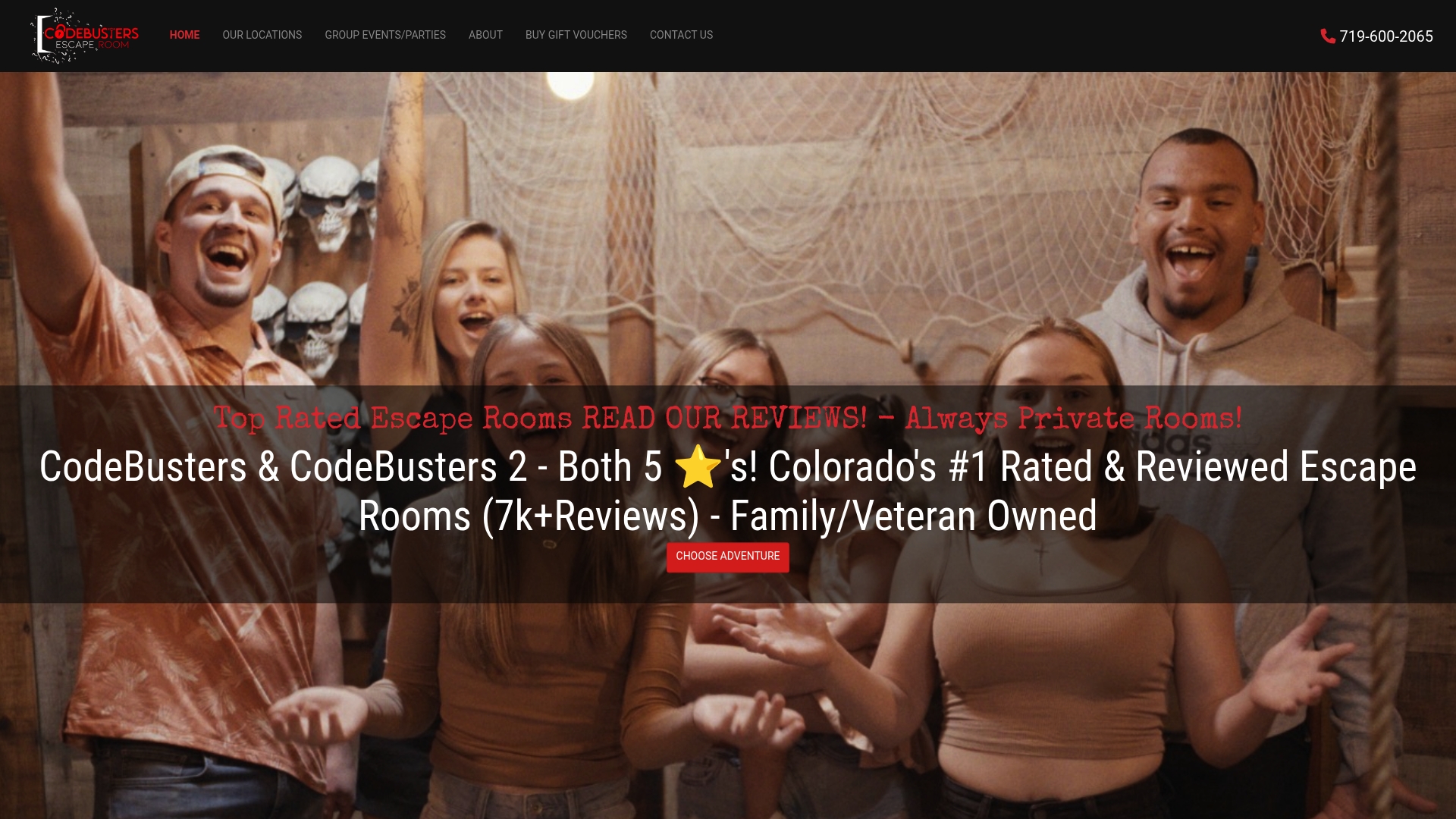
Take a few minutes to read our etiquette guide and safety guidelines before your visit so you know what to expect from check-in to the final puzzle. If you have a specific accommodation in mind, mention it when you book a room like Past to the Future or Colorado Jones, and we will work it into your session plan.
FAQ
Can I pause the game to use the bathroom?
Whether the timer pauses depends on the venue and whether you booked a private room. Many operators pause the clock for private bookings but not for shared public sessions, so confirm this with staff before your session starts.
Do I need to tell staff before I leave the room?
Yes, telling the game-master before you step out is standard practice almost everywhere. It lets staff guide you to the correct exit and keep the room monitored while you are away.
What if I have a medical condition that requires frequent restroom breaks?
You can request a reasonable accommodation under ADA Title III, such as a private room assignment or a prearranged exit signal. Mentioning this when you book gives staff time to prepare rather than reacting mid-game.
Will leaving the room affect my team’s time or score?
This depends on the venue’s policy and whether your session is private or shared. Ask at check-in so your team knows what to expect before the clock starts.
Are escape rooms accessible for people with disabilities?
Accessibility varies by venue and room design, and academic research on accessibility in escape rooms notes that puzzles relying on a single sense can create barriers. Contacting the venue ahead of time about your specific needs is the most reliable way to confirm what accommodations are available.