Escape Room for New Hire Integration: HR Guide

An escape room for new hire integration is an interactive team-building experience that places new employees inside a timed, puzzle-based scenario to accelerate socialization and collaboration from day one. Standard onboarding programs rely on paperwork, presentations, and compliance checklists. These methods inform new hires but rarely connect them to their colleagues. 29% of new hires decide whether a job is the right fit within the first seven days. That window is too short for passive orientation to build real relationships. A corporate escape room closes that gap by creating shared pressure, shared wins, and shared memories before a new hire has even learned where the coffee machine is. Codebusters Escape Room, based in Colorado Springs, designs exactly these kinds of immersive experiences for corporate teams.
How escape rooms accelerate new hire integration
The core mechanism is simple. An escape room puts strangers into a high-stakes scenario where they must communicate, divide tasks, and trust each other to succeed. That dynamic mirrors real work far more closely than any icebreaker game does.
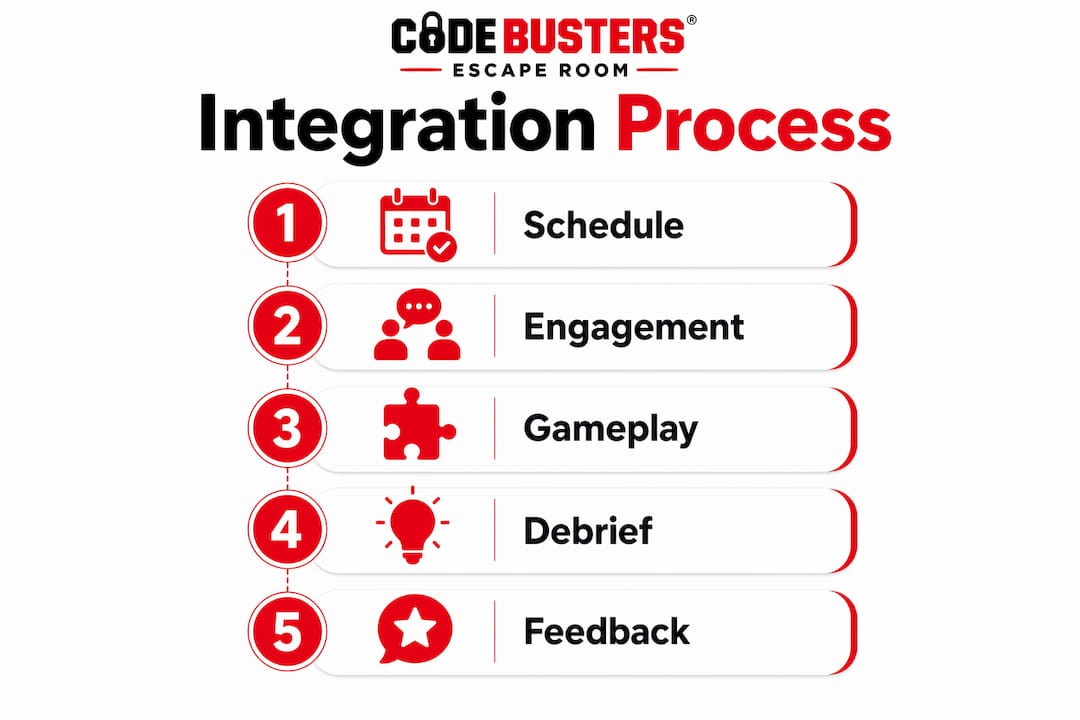
New employee onboarding traditionally suffers from what practitioners call the “checklist trap.” HR teams pack the first week with compliance training, policy reviews, and system walkthroughs. New hires absorb information but form almost no social bonds. An escape room flips that sequence. Participants build relationships first, then carry that social capital back into the formal onboarding process.
The psychological mechanism behind this is well documented. Structured onboarding support helps 56% of employees adapt faster and make fewer mistakes. Escape rooms deliver that structure through gameplay rather than instruction. The shared experience of solving a puzzle under time pressure creates a psychological safety net that formal training rarely achieves.
Escape rooms also flatten workplace hierarchies in a way that few other activities can. New hires see managers as collaborators rather than authorities when both are locked in the same room trying to decode the same clue. That perception shift has lasting effects on how new employees approach their managers in the weeks that follow.
Key benefits of escape rooms as workplace integration games include:
- Immediate peer bonding: Shared pressure creates trust faster than small talk ever does.
- Role clarity: Natural leaders, listeners, and problem-solvers emerge organically during gameplay.
- Reduced anxiety: A neutral, non-work scenario lets new hires show competence without career risk.
- Cross-departmental connections: Mixed teams expose new hires to colleagues outside their direct reporting line.
- Lasting reference points: Teams reference the escape room experience in conversations months later.
Pro Tip: Schedule the escape room session on day two or three of the induction week, not day one. New hires need one day to orient themselves before they can fully engage in a collaborative challenge.
What does a corporate escape room session look like?
Format and logistics matter as much as the activity itself. A poorly planned session wastes budget and leaves new hires more confused than connected.

Corporate escape room sessions typically run 1.5 to 3 hours in total, covering a 60-minute gameplay period followed by a 30-minute structured debrief. The debrief is not optional. It is the moment where the experience converts from entertainment into organizational value. Without it, teams leave with a fun memory but no framework for applying what they learned.
Group sizes for corporate sessions range from 4 to 50 or more participants. Larger cohorts use staggered sessions across multiple rooms, which also creates natural conversation between groups during breaks. Private room buyouts are the standard recommendation for corporate onboarding. A private session removes the distraction of strangers, keeps the group focused, and allows the facilitator to tailor the debrief to the company’s specific culture and values.
| Session element | Recommended format |
|---|---|
| Gameplay duration | 60 minutes per room |
| Debrief duration | 30 minutes immediately after gameplay |
| Group size per room | 4 to 8 participants |
| Room booking type | Private buyout for full focus |
| Total session time | 1.5 to 3 hours including debrief |
Cost varies by location, group size, and room complexity. Private buyouts for corporate groups typically cost more per head than standard bookings but deliver significantly better outcomes for onboarding purposes. HR teams should treat the cost as a training investment, not an entertainment expense, because the behavioral outcomes justify that classification.
Why escape rooms outperform traditional onboarding icebreakers
Traditional onboarding activities like trust falls, two-truths-and-a-lie, and name-badge games have one thing in common. They are low-stakes, low-engagement, and low-impact. New hires tolerate them rather than benefit from them.
Escape rooms simulate real work conditions including time pressure, ambiguous information, and the need for rapid role allocation. Those are the exact conditions new employees face in their first month on the job. A trust fall does not prepare anyone for a deadline. An escape room does.
The superiority of escape rooms over standard icebreaker games comes down to four specific factors:
- Cognitive engagement: Puzzles require active thinking, not passive participation. New hires cannot mentally check out.
- Natural leadership emergence: The room reveals who takes charge, who listens, and who synthesizes information. HR gains real data on team dynamics.
- Emotional investment: The shared goal of escaping creates genuine stakes. Participants care about the outcome.
- Transferable skills: Communication patterns practiced in the room carry directly into workplace collaboration.
Shared escape room experiences outperform traditional story-based icebreakers in both impact and long-term retention. New hires who solved a puzzle together have a concrete shared memory. New hires who played two-truths-and-a-lie have a vague recollection of someone’s unusual hobby.
For a detailed comparison of escape rooms against other group activities, the escape rooms vs. other games analysis from Codebusters Escape Room breaks down the differences clearly. The conclusion is consistent: escape rooms produce stronger team bonds because they demand real collaboration, not performed friendliness.
Best practices for designing onboarding escape room sessions
The design of the session determines whether it produces genuine integration or just a fun afternoon. HR teams and facilitators need to make deliberate choices about theme, structure, and follow-up.
Choose neutral themes. Neutral, non-company-specific escape room themes reduce anxiety and encourage the creation of shared language and social bonds. Avoid puzzles built around internal company processes, proprietary systems, or high-stakes business scenarios. New hires are already navigating an unfamiliar environment. The escape room should feel like a safe space to experiment, not an extension of their performance review.
Run the debrief immediately. Structured debriefing connects escape room puzzles with communication and collaboration norms relevant to the company. The debrief should happen within 15 minutes of the game ending, while the experience is still fresh. Facilitators ask questions like: Who took the lead and why? Where did communication break down? What would you do differently? Those questions translate directly into workplace behavior.
Use the room as a diagnostic tool. Escape rooms reveal natural leadership emergence, communication styles, and how individuals handle ambiguity. HR teams can use these observations to assign mentors, structure buddy programs, and identify new hires who may need additional support. This is the “shadow data” that no personality test or interview can reliably surface.
Mix teams deliberately. Avoid grouping new hires by department or seniority. Cross-functional teams expose new employees to colleagues they would not naturally interact with in their first weeks. That exposure accelerates the formation of the informal networks that drive workplace performance.
Pro Tip: Brief the facilitator on your company’s core values before the session. A skilled facilitator can weave those values into the debrief questions, creating a direct link between the escape room experience and your organizational culture.
For HR teams building a broader onboarding program, the role of escape rooms in onboarding resource from Codebusters Escape Room offers additional context on how to sequence escape room activities within a full induction program. Pairing the escape room with corporate team-building activities that reinforce the same collaboration skills extends the impact well beyond the session itself.
What we have learned from running corporate onboarding sessions
The most consistent observation from running escape room sessions with new hire cohorts is this: the room tells you things about people that weeks of formal onboarding never would. Within 20 minutes, you see who communicates under pressure, who defers to others, and who synthesizes information from multiple sources. That is genuinely useful data for any HR team building a mentoring or buddy program.
The second observation is less comfortable. Many HR teams book an escape room and then skip the debrief because they run out of time or energy. That is the single biggest mistake in corporate escape room facilitation. The game without the debrief is just entertainment. The debrief is where the organizational value lives.
The third thing worth saying directly: escape rooms are not a replacement for a well-structured onboarding program. They are an accelerant. New hires still need clear role expectations, manager introductions, and system training. What the escape room does is give them a social foundation to stand on while all of that formal content lands. That foundation makes everything else stick faster.
HR teams that treat escape rooms as a “fun add-on” consistently underestimate their impact. Teams that treat them as a deliberate integration tool and follow up with structured mentoring see measurably stronger cohort bonds at the 30-day and 90-day marks.
— CodeBusters
Codebusters Escape Room: built for corporate teams
Codebusters Escape Room in Colorado Springs offers private room bookings designed specifically for corporate groups, including new hire cohorts and team-building events. Each session includes facilitated gameplay and a structured debrief, giving HR teams the full integration experience rather than just a game.
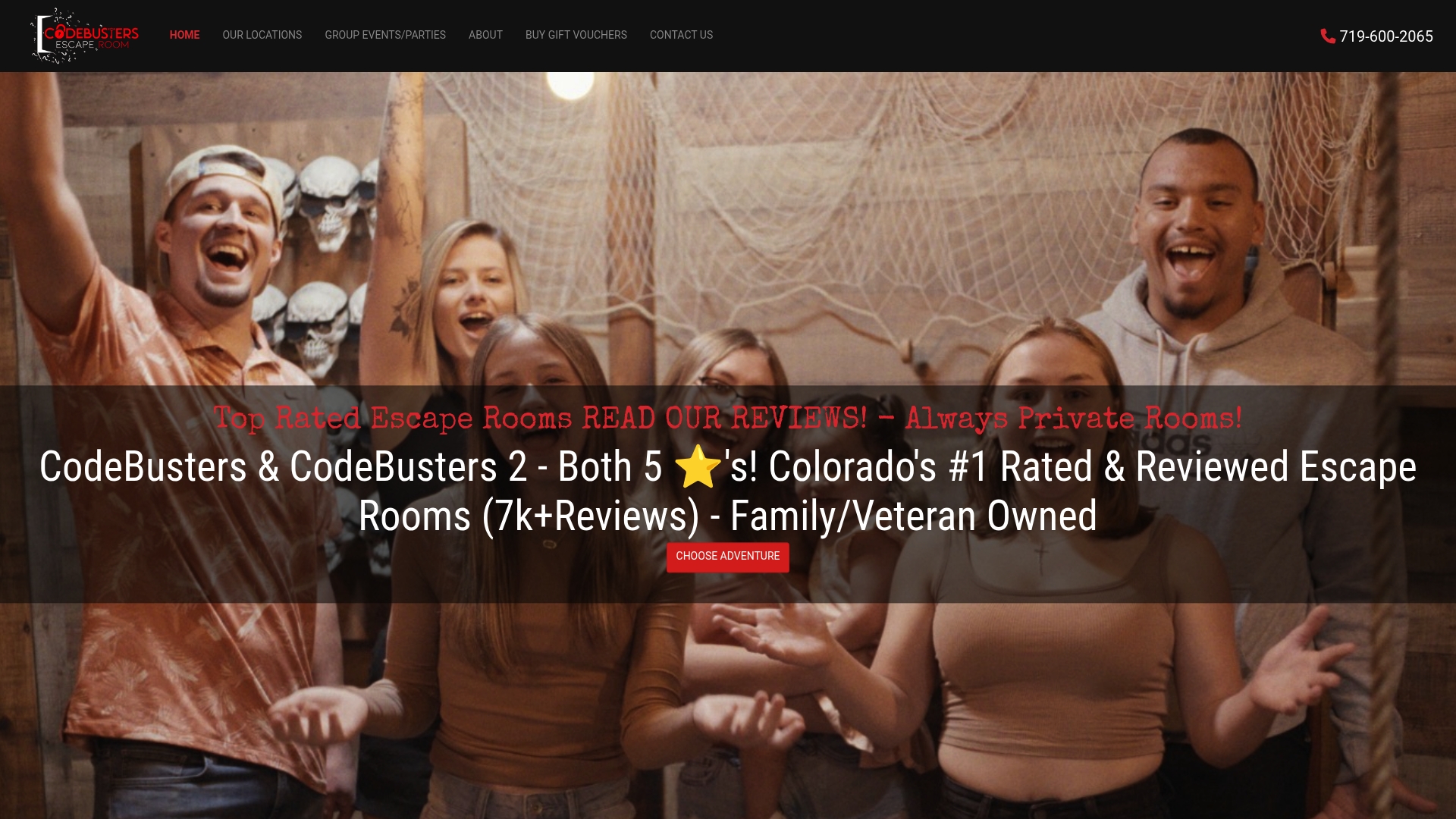
Rooms like “Past to the Future,” “Stranger 80’s,” and “Flight of Deception” accommodate groups of varying sizes and difficulty preferences. Private buyouts keep your team focused and allow the facilitator to tailor the debrief to your company’s culture. Codebusters Escape Room is veteran and family owned, award-winning, and consistently rated among the top experiences in Colorado Springs. Book your corporate session and give your next new hire cohort a first week they will actually remember.
Key Takeaways
An escape room for new hire integration works because it creates shared pressure, shared wins, and shared memories that formal onboarding cannot replicate.
| Point | Details |
|---|---|
| Time the session carefully | Schedule the escape room on day two or three of the induction week for maximum engagement. |
| Debrief is non-negotiable | A 30-minute structured debrief immediately after gameplay converts fun into real organizational value. |
| Use it as a diagnostic tool | Escape rooms reveal natural leadership and communication styles that HR can use to shape mentoring programs. |
| Choose neutral themes | Non-company-specific puzzles reduce anxiety and help new hires build social bonds without performance pressure. |
| Mix teams deliberately | Cross-functional groupings expose new hires to colleagues outside their department and accelerate informal network building. |
FAQ
When should an escape room be scheduled during onboarding?
The most effective timing is within the first week of employment, ideally on day two or three. 29% of new hires form their opinion about a job within the first seven days, making early social integration critical.
How long does a corporate escape room session take?
A full corporate session runs 1.5 to 3 hours, covering a 60-minute game and a 30-minute debrief. The debrief is the component that translates the experience into workplace behavior.
What group size works best for new hire escape room sessions?
Rooms work best with 4 to 8 participants per session. Larger cohorts use staggered sessions across multiple rooms, which also creates natural interaction between groups during breaks.
Are escape rooms better than traditional onboarding icebreakers?
Escape rooms outperform standard icebreakers because they simulate real work conditions including time pressure, ambiguity, and role allocation. Shared escape room experiences produce stronger long-term team bonds than story-based or passive activities.
How do HR teams use escape room observations after the session?
HR teams use the behavioral data from the room to assign mentors, structure buddy programs, and identify new hires who may need additional support. The room surfaces natural leadership and communication patterns that interviews and personality tests rarely capture.